
Dental treatment under general anesthesia allows the dentist to perform procedures while the patient is completely asleep, under the supervision of a medical team. This option is intended for specific situations. For example, it may be suitable when a patient experiences significant fear, when a child cannot tolerate long procedures, or when multiple treatments need to be carried out during a single session.
Thus, this approach helps treat the mouth in a more stable and well-organized setting. For patients, it is therefore important to understand in which situations this option may be considered, how the team prepares the procedure, and what precautions should be followed afterward.

When should dental treatment under general anesthesia be considered?
Dentists do not routinely recommend treatment under general anesthesia. On the contrary, it is reserved for situations where conventional chairside care becomes too difficult or insufficient.
This may apply to young children, highly anxious patients, individuals with disabilities, or patients requiring extensive treatment. In such cases, the team aims to establish an adapted care plan. This approach avoids multiple stressful appointments and allows for more consistent and efficient treatment.
Clearly defined situations
In some cases, the patient is unable to remain still long enough. In others, dental care remains difficult despite explanations, breaks, and support. Additionally, some patients require multiple significant treatments, making repeated appointments particularly challenging.
In this context, general anesthesia does not replace conventional care. However, it provides a solution when standard conditions are no longer sufficient to properly treat the teeth.

A case-by-case decision
The dentist always carefully evaluates each situation. They consider the condition of the teeth, the number of treatments required, the patient’s age, medical history, and any difficulties previously encountered during consultations.
Based on this assessment, the practitioner determines whether this approach is appropriate. The goal remains simple: to carry out treatment under optimal conditions, without haste and without unnecessary discomfort.
Why combine treatments into one session?
When several teeth require treatment, the dentist may choose to perform multiple procedures during a single session. This avoids subjecting the patient to a series of difficult appointments. Additionally, it allows for a more comprehensive approach to oral care, following a clear and structured treatment plan.
A clearer treatment plan
Before the procedure, the dentist identifies cavities, weakened teeth, potential infections, and teeth that can no longer be preserved. Then, they organize the procedures in a logical order.
Thanks to this preparation, the most important issues can be addressed at the right time. As a result, the patient benefits from more complete and understandable care.
Fewer difficult appointments
For some patients, the challenge lies not only in the treatment itself. The accumulation of appointments can also become overwhelming. As appointments increase, stress levels may rise, making cooperation more difficult.
By combining procedures, the dental team reduces repetition and limits the risk of delays or treatment abandonment.
How to prepare for treatment under general anesthesia
Preparation plays a central role. First, the dentist conducts a complete dental assessment. Then, the patient meets with the anesthesiologist. These two steps ensure a clear care plan and provide all necessary instructions so that everyone knows what to expect before the procedure.
The dental assessment
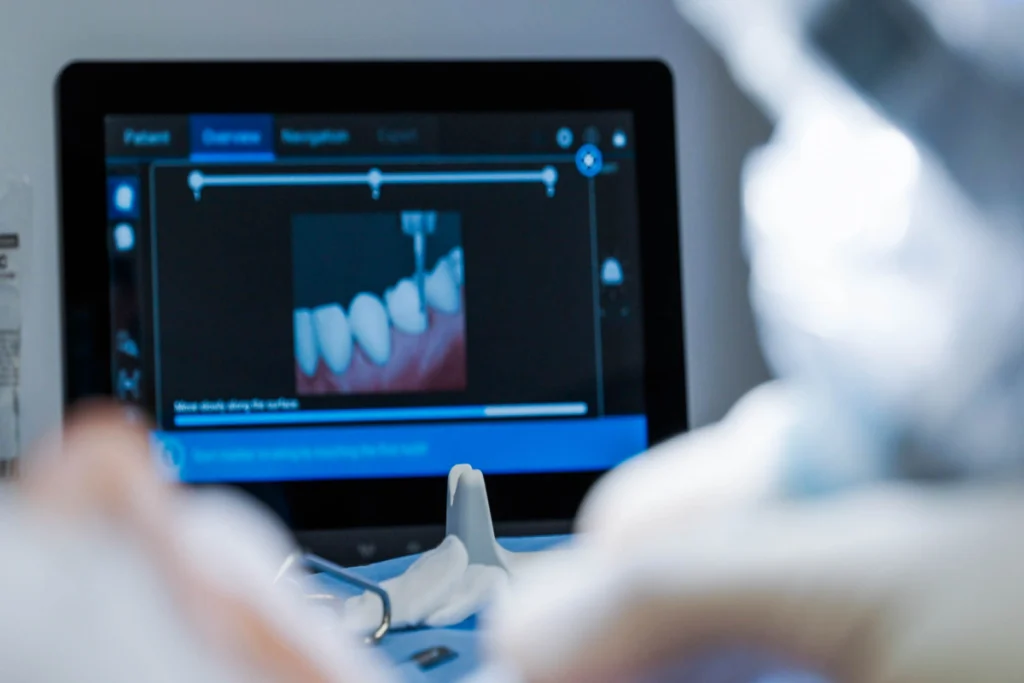
During this consultation, the dentist examines the teeth, gums, and overall oral condition. If needed, X-rays are taken.
This allows the practitioner to identify areas requiring treatment and to establish a realistic treatment plan. It also provides an opportunity to explain the procedure to the patient or their relatives.
The anesthesia consultation
The anesthesiologist evaluates the patient’s general health, reviews medical history, allergies, and ongoing treatments. They also explain how general anesthesia works and outline the necessary precautions. This consultation is essential to ensure safety and to answer any questions prior to the procedure.
Pre-operative instructions
The patient must carefully follow all instructions provided by the team. In particular, fasting requirements must be strictly respected. The patient must also report any recent changes such as fever, infection, cough, or new medication. Even minor changes can impact the procedure. This allows the team to proceed safely or reschedule if necessary.
How does the procedure take place?
On the day of treatment, the patient is welcomed into the appropriate medical facility. The team first reviews the medical file, pre-operative instructions, and current health status. Then, the anesthesiologist administers general anesthesia and continuously monitors vital parameters throughout the procedure. Meanwhile, the dentist performs the planned treatments.
Treatments performed during the session
Once the patient is asleep, the dentist begins treatment according to the established plan. This may include treating cavities, restoring damaged teeth, or extracting severely compromised teeth. Additional procedures may also be performed if necessary to improve overall oral health. In all cases, the treatment follows a structured and coherent approach.
Continuous monitoring
Throughout the procedure, the anesthesia team monitors breathing, heart rate, and other vital signs. This monitoring continues during recovery. This ensures that the patient is carefully supervised from start to finish, which is reassuring for both the patient and their relatives.
What happens after the procedure?
After treatment, the patient is monitored during the post-operative recovery phase. This allows the team to oversee the awakening process and ensure overall stability. In the first few hours, the patient may experience fatigue, oral discomfort, or sensitivity related to the procedures performed. Clear instructions are provided for returning home and managing this recovery period safely.
The first hours after the procedure
Rest is important after general anesthesia. The patient must also follow recommendations regarding diet, oral hygiene, and any prescribed medications. If extractions were performed, specific instructions are given to support proper healing. This helps reduce discomfort and ensures proper recovery.
Follow-up after treatment under general anesthesia
Even when multiple treatments are completed in a single session, follow-up care remains essential. It allows the dentist to monitor healing, assess treatment outcomes, and plan further care if needed.
In the long term, follow-up visits also help prevent new dental problems and encourage good daily oral hygiene habits.
FAQ
- Is general anesthesia only for children?
No. It can also be used for adolescents or adults when necessary. - Can all treatments be done in one session?
It depends on the number and complexity of treatments. The dentist establishes a realistic plan beforehand. - Is a specialized facility required?
Yes. Treatment must be carried out in a setting that allows proper anesthesia monitoring and safe care. - Are specific instructions required before the procedure?
Yes. Fasting must be respected, and any recent health changes must be reported. - Is follow-up necessary afterward?
Yes. It ensures proper healing, monitors results, and supports long-term prevention.
If you would like to know whether this approach is suitable for you or your child, you can discuss it during a consultation. The dentist will assess your needs, explain the possible organization, and answer your questions. The dental practice of Dr. Payam Gandjizadeh in Cagnes-sur-Mer can support you in this process and invite you to book an appointment online.