

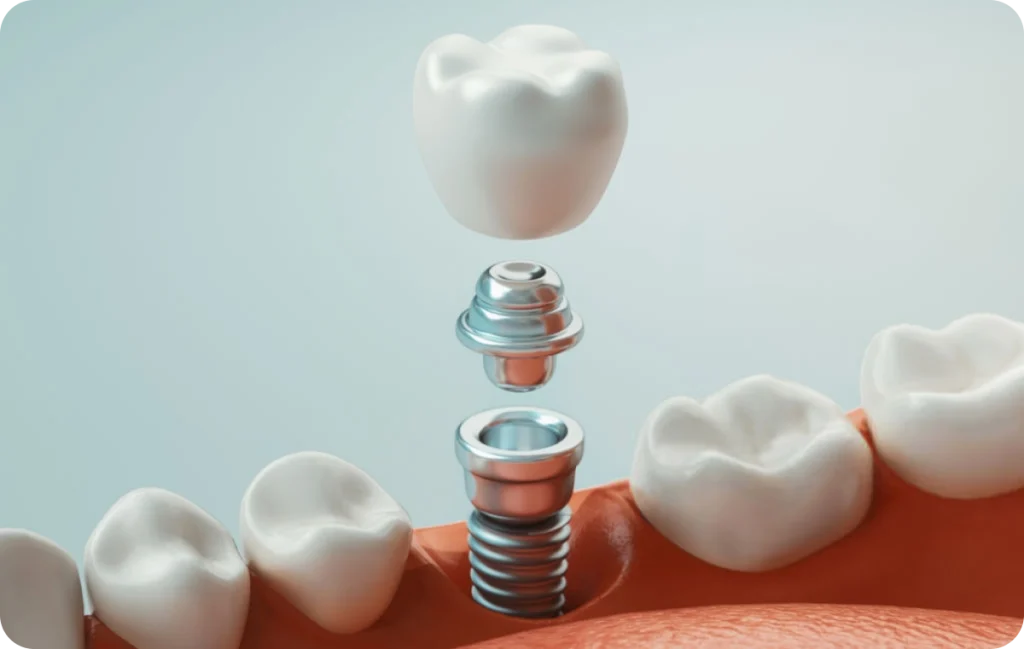
Immediate loading is an approach used in dental implantology that involves attaching a temporary tooth to an implant shortly after its placement, sometimes within 24 to 48 hours. Unlike traditional protocols, which require a healing period without a functional prosthesis, this method allows for the rapid restoration of the smile’s appearance and part of the masticatory function.
It is important to note that immediate loading does not mean the implant is immediately subjected to all chewing forces.
The temporary prosthesis is designed to limit mechanical stress during the bone healing phase. This approach primarily aims to balance patient comfort with biological requirements.
Biological principles of immediate loading
The role of osseointegration
When an implant is placed in the bone, it must gradually integrate with the surrounding bone tissue. This process, called osseointegration, is essential for the stability and longevity of the treatment. It relies on a close interaction between the implant and the bone, which strengthens over several weeks.
In the context of immediate loading, the objective is to preserve this integration while allowing for highly controlled stimulation of the implant. This process requires perfect mastery of the protocol and a rigorous selection of clinical situations.
The concept of primary stability
Primary stability refers to the immediate mechanical fixation of the implant in the bone at the time of placement. It is a decisive criterion for considering immediate loading. The higher this stability, the lower the risk of micromovements that could hinder healing.
This stability depends on several factors, including bone density, the surgical technique used, and the design of the implant. It is carefully evaluated before any decision regarding loading is made.
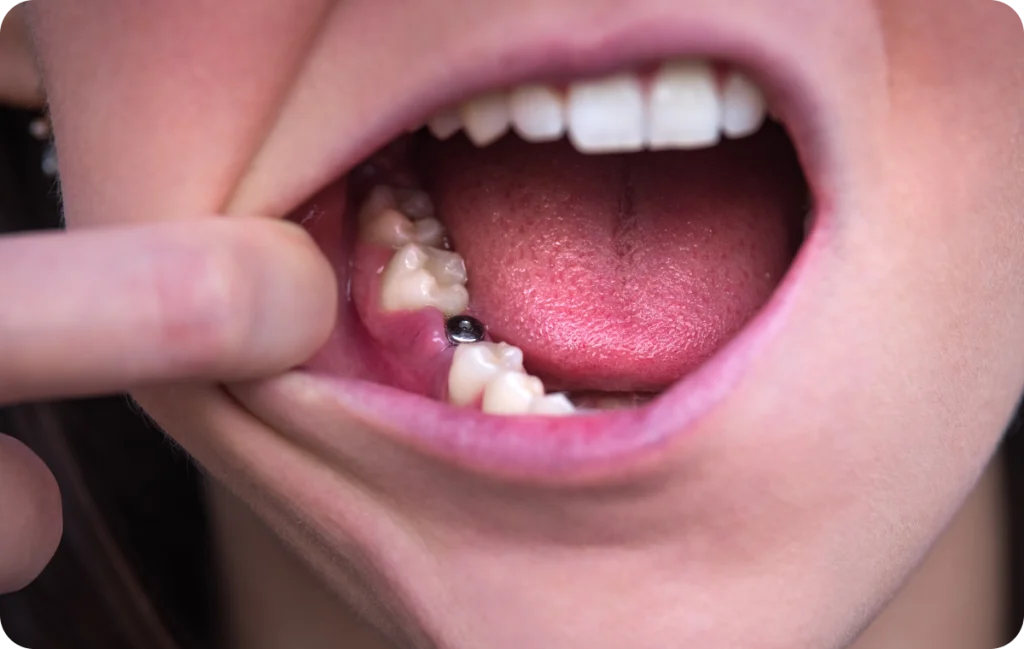
In which situations is immediate loading considered?
Immediate loading is not suitable for all patients. It is based on specific indications established after a thorough clinical and radiological examination. The quality and volume of available bone are central elements in the therapeutic decision.
The absence of local infection, healthy gums, and satisfactory oral hygiene are also essential. Certain habits, such as heavy smoking, can influence healing and are taken into account during the evaluation.
Finally, the location of the implant plays a role. Anterior areas, where aesthetic stakes are high, can benefit from this approach if biological conditions allow.
Treatment process for immediate loading
Diagnosis and planning phase
Before any intervention, a thorough diagnostic phase is essential. It includes a complete clinical examination, X-rays, and, in many cases, a 3D scan. These elements allow for a precise analysis of the bone anatomy and planning of the implant placement.
This stage aims to anticipate mechanical and biological constraints to optimize healing conditions. It also serves to inform the patient about the treatment process and the precautions to be followed.
Placement of the implant and temporary prosthesis
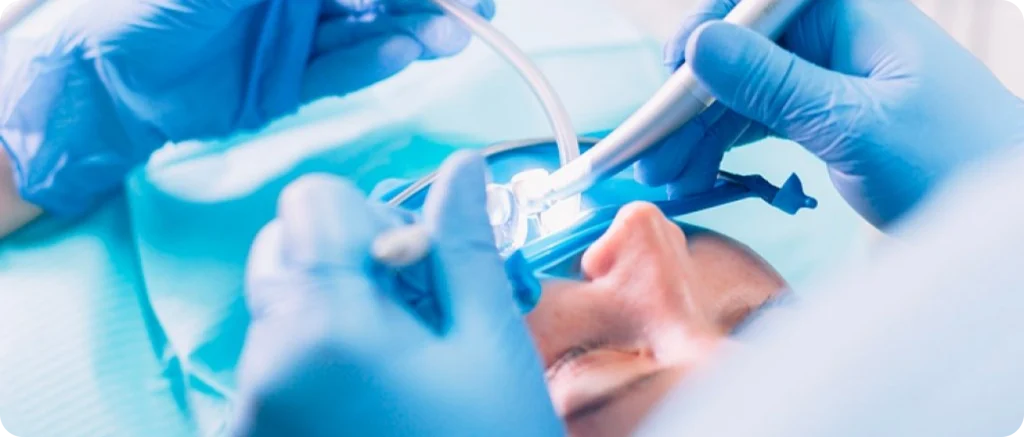
On the day of the procedure, the implant is inserted into the bone according to a precise surgical protocol. If the primary stability obtained is deemed sufficient, a temporary prosthesis is created and attached within a short timeframe. This temporary tooth is adjusted to limit contact during chewing.
The placement of the temporary prosthesis ensures the patient does not remain without a visible tooth, while protecting the implant during the initial healing phase.
Role and characteristics of the temporary prosthesis
The temporary prosthesis used during immediate loading plays a transitional but essential role. It preserves the aesthetics of the smile and ensures limited function without compromising the integration of the implant.
Its design takes into account the balance of the mouth, the position of adjacent teeth, and the forces exerted during chewing. It is regularly monitored and adjusted if necessary during follow-up appointments.
This prosthesis is not intended to last indefinitely. It is replaced, after osseointegration is confirmed, by a final prosthesis designed for long-term use.
Precautions and follow-up after immediate loading
Following the procedure, adherence to post-operative recommendations is fundamental. A modified diet is advised, featuring soft and easy-to-chew foods, to limit stress on the healing implant.
Rigorous oral hygiene helps prevent inflammation and maintains a favorable environment for healing. Regular check-ups allow for monitoring tissue progress and prompt intervention if necessary.
Immediate loading and daily comfort
Immediate loading can provide significant aesthetic and psychological comfort. Retaining a visible tooth from the very first days avoids a period of toothlessness that can be difficult to experience, particularly in anterior areas.
Functionally, even if chewing remains partial at first, this approach facilitates daily life. However, it is conducted within a strict medical framework, where caution and compliance with instructions determine the success of the treatment.
Difference between immediate loading and delayed protocol
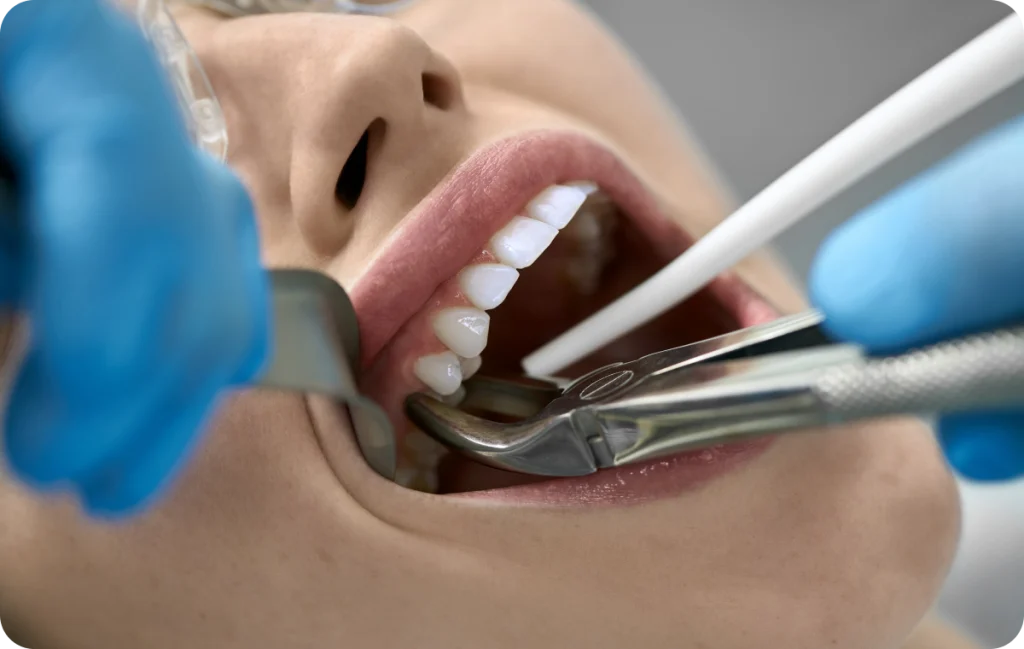
In a delayed protocol, the implant is not loaded for several weeks or months, allowing the bone to heal completely. This approach remains indicated in many situations, particularly when bone conditions are less favorable.
Immediate loading is a possible alternative when medical criteria are met.
The choice between these two options is based on a personalized analysis, taking into account anatomical characteristics and patient expectations.
Factors influencing long-term stability
The long-term stability of an immediately loaded implant depends on several factors. Diagnostic precision, treatment planning, and the quality of the prosthetic work are closely linked.
The patient’s general health, certain chronic pathologies, and adherence to post-operative instructions also influence bone healing. Patient cooperation therefore remains a key factor throughout the care process.
Frequently asked questions about immediate loading
- Is immediate loading possible in all cases?
No, it depends on specific criteria such as bone quality, the initial stability of the implant, and the patient’s general health. - Is the tooth placed immediately permanent?
It is usually a temporary prosthesis, replaced after the healing phase by a permanent prosthesis. - Can I chew normally after the procedure?
Chewing is possible in a limited manner, following the dietary recommendations provided after treatment. - Is the follow-up different from a conventional treatment?
Follow-up remains rigorous, with regular check-ups to ensure the proper development of the implant and tissues. - Does immediate loading reduce the overall treatment time?
It primarily reduces the period without a visible tooth, while respecting the biological time necessary for the implant to integrate.
Book an appointment for personalized support
If you would like to know whether immediate loading may be suitable for your situation, a consultation allows for an individualized evaluation of your treatment plan. The dental office of Dr. Payam Gandjizadeh in Cagnes-sur-Mer welcomes you to answer your questions and support you throughout your journey. You can now book an appointment online to receive an assessment tailored to your needs.