

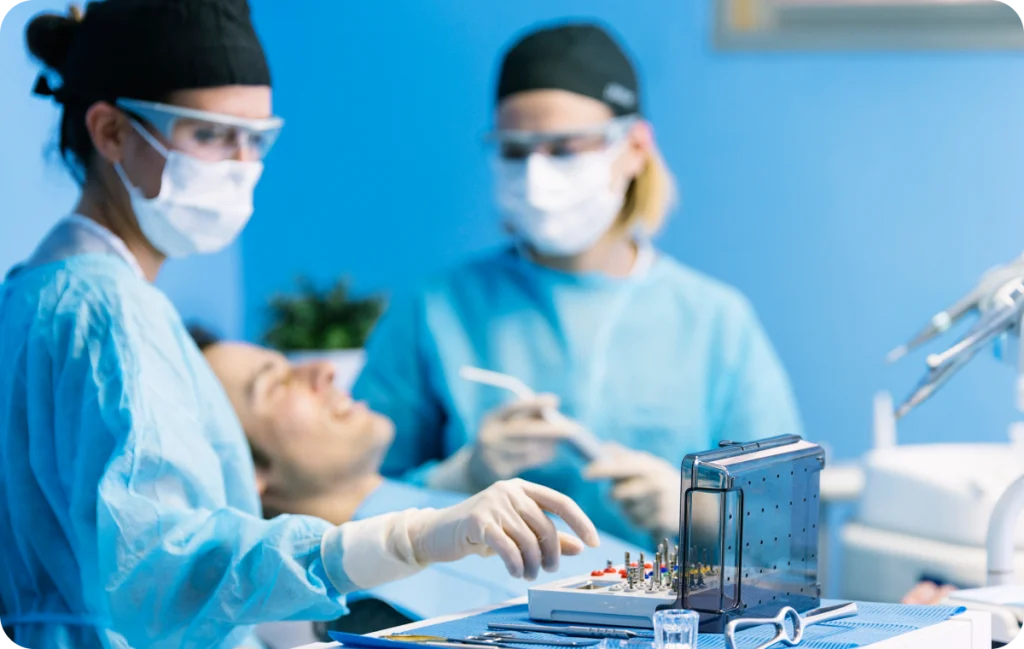
After dental treatment or surgery, post-operative advice plays an essential role in the smooth progress of healing. The hours and days following a medical procedure are crucial for limiting discomfort, preventing certain complications, and promoting a gradual recovery.
Even when the procedure has gone smoothly, following recommendations helps support the tissues during their natural repair phase.
It is normal to experience certain unusual sensations after a dental procedure, such as local discomfort, increased sensitivity, or slight swelling. These reactions are part of the healing process. However, adopting the right habits as soon as you return home helps reduce their intensity and preserve oral health balance. Post-operative advice is not only intended to provide relief but also to protect the treated area.
Why post-operative advice is essential
Mouth tissues heal quickly, but they remain fragile in the first few days following a procedure. Chewing too early, inappropriate hygiene, or sudden movements can disrupt this natural process. Post-operative advice helps avoid these situations by providing a clear and reassuring framework.
They also contribute to limiting the risks of inflammation or infection. By following the instructions, the patient promotes more consistent and comfortable healing. These recommendations are adapted to the type of care provided, whether it is an extraction, implant surgery, periodontal treatment, or a conservative procedure.
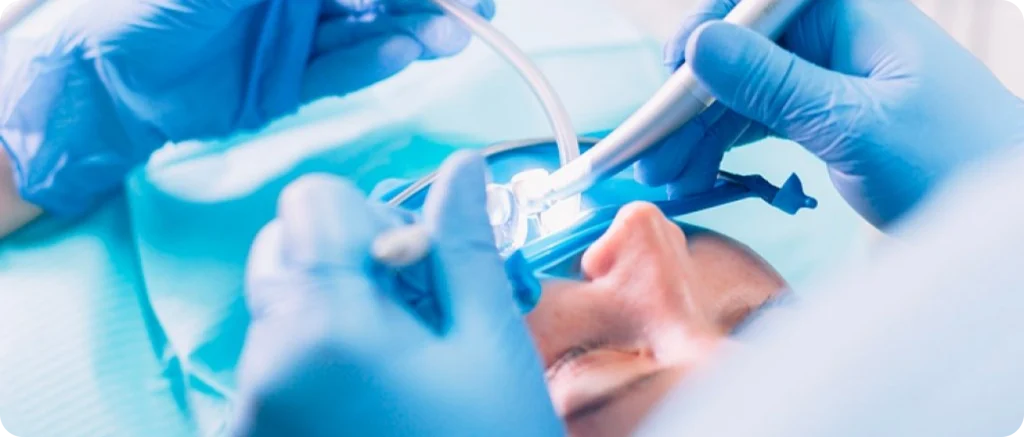
The first few hours after the procedure
Managing bleeding
After a procedure, slight bleeding may persist for a few hours. It is generally controlled by compression using a clean gauze pad, held gently in the mouth. It is important to avoid spitting or rinsing the mouth vigorously during this period, as these actions can restart the bleeding.
Resting and avoiding physical exertion in the following hours also helps stabilize the operated area. A semi-reclined position is often preferable to limit local blood flow.
Sensations and discomfort
A feeling of discomfort or tension may appear once the anesthesia wears off. This reaction is normal and temporary. Post-operative advice often includes taking appropriate analgesics, prescribed or recommended by the practitioner.
It is important to respect the recommended doses and not to combine several medications without advice. Applying cold to the cheek for short periods can help limit swelling.

Post-operative advice and diet
Avoiding certain habits
It is recommended to avoid alcohol and tobacco during the post-operative period. These substances can slow down healing and irritate oral tissues. Similarly, the use of straws is discouraged, as the suction can disrupt the treated area.
This post-operative advice is part of a global approach to protecting the oral cavity, in order to allow for a gradual and peaceful recovery.
Adapting your diet
Diet plays a central role in the days following a dental procedure. It is advisable to prioritize lukewarm or cold foods that are easy to chew and non-irritating. Soft textures help limit stress on the operated area while ensuring sufficient nutritional intake.
Foods that are too hot, too spicy, or too hard should be avoided, as they can irritate tissues or cause increased sensitivity. Drinking water regularly helps maintain good hydration, which is essential for healing.
Oral hygiene after a procedure
Maintaining appropriate hygiene
Good oral hygiene remains essential after treatment, but it must be adapted to the situation. Tooth brushing should be maintained in areas not affected by the procedure. Around the operated area, movements must remain gentle and gradual, according to the recommendations provided.
The goal is to avoid the accumulation of dental plaque while respecting the sensitivity of the healing tissues. Rigorous hygiene helps prevent local inflammation and promotes a favorable outcome.

Use of mouthwashes
In some cases, mouthwashes may be recommended. They should be used with caution and only according to the instructions provided. Rinsing should remain gentle, without sudden movements, so as not to disrupt healing.
It is important not to use multiple products without advice, as certain components can irritate the mucous membrane when used inappropriately.
Post-operative advice and medical follow-up
Importance of follow-up appointments
Follow-up appointments are an integral part of post-operative care. They allow for checking the progress of healing and adapting recommendations if necessary. These check-ups are also an opportunity to ask questions and report any unusual sensations.
Regular follow-up reassures the patient and allows for quick intervention if needed. It is part of a comprehensive and personalized care approach.
Signs requiring advice
Although the majority of post-operative outcomes are straightforward, certain signs should lead to a consultation. Persistent pain, increasing swelling, fever, or significant discomfort should be reported. Post-operative advice always includes clear information on these situations so that the patient knows when to seek advice.
Adapting your daily life during healing
Physical activity and rest
After a dental procedure, it is advisable to temporarily reduce intense physical activities. Rest promotes better recovery and limits the risk of bleeding or local tension. A gradual resumption of activities is generally possible after a few days, depending on the nature of the care.
Stress management and comfort
Stress can influence the perception of discomfort. Taking the time to rest, get enough sleep, and follow recommendations allows for approaching the post-operative period with more serenity. Post-operative advice also aims to reassure and support by providing clear guidelines.
Post-operative advice according to the type of care
Recommendations may vary depending on the type of procedure performed. After an extraction, the focus is often on protecting the blood clot. After implant or periodontal surgery, managing inflammation and following hygiene instructions take center stage.
It is therefore important to follow the personalized advice provided during the consultation. It takes into account each patient’s specific situation and the treatment performed.
FAQ – Post-operative advice
- How long does healing take after dental treatment?
The duration varies depending on the type of procedure and individual reaction. In general, the first few days are the most sensitive, and then progress is gradual. - Is it normal to feel discomfort after the procedure?
Yes, moderate discomfort is common. It tends to decrease over time when post-operative advice is followed. - Can I brush my teeth normally after treatment?
Brushing should be maintained but adapted around the operated area. Gentle movements are recommended. - When can I return to a normal diet?
The return is gradual. It depends on the comfort felt and the type of care performed. - When should I consult in case of doubt?
In case of persistent pain, significant swelling, or any unusual sign, it is best to seek advice without delay.
Book an appointment for personalized support
Post-operative advice is part of a global approach to follow-up and listening. If you have received dental treatment or if you wish to be supported before and after a procedure, a consultation allows us to answer your questions and adapt recommendations to your situation. The dental practice of Dr. Payam Gandjizadeh in Cagnes-sur-Mer offers you attentive and personalized follow-up. You can now book an appointment online to benefit from tailored and calm support.