

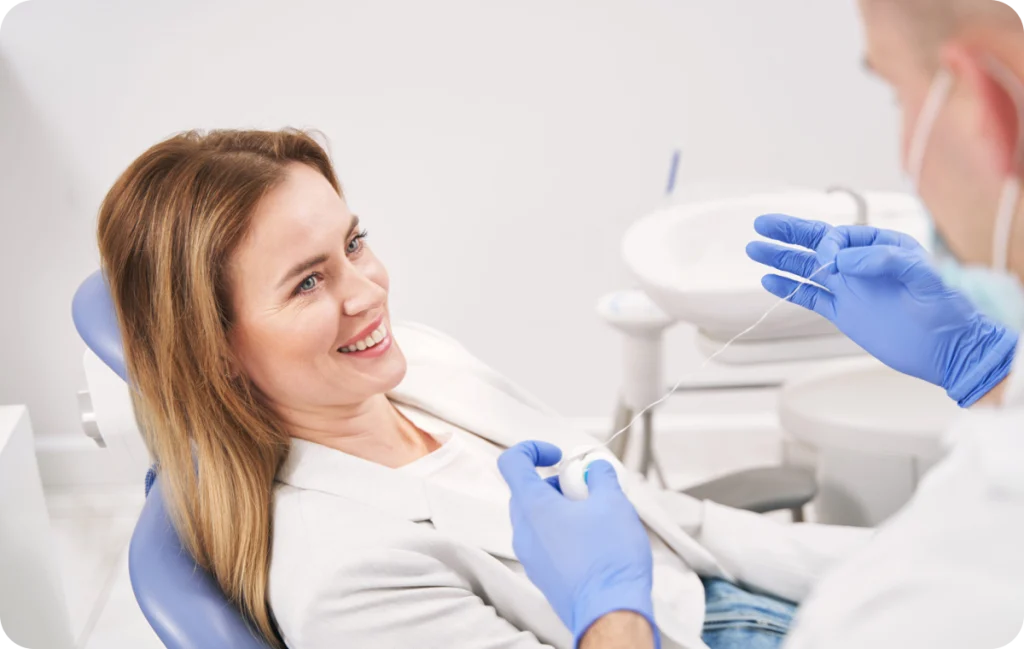
Taking care of your oral hygiene is a fundamental part of everyday health. A healthy mouth allows you to eat, speak, and smile without discomfort, while limiting the onset of pain or infections.
From the first steps in the morning to evening habits, an appropriate routine helps protect teeth and gums over the long term. Understanding the importance of these simple actions makes it easier to adopt regular, effective oral hygiene that is accessible to everyone.
Why oral hygiene is essential
The mouth is an environment naturally rich in bacteria. When they accumulate on the surface of the teeth, they form dental plaque. Without daily removal, this plaque can harden and turn into tartar, promoting the development of cavities and gum inflammation. Rigorous oral hygiene helps control this buildup and maintain the balance of the oral cavity.
Poor oral hygiene can lead to progressive discomfort, sometimes subtle at first, such as bleeding during brushing or increased sensitivity. Over time, these signs may worsen. Adopting good habits therefore helps prevent these situations and maintain a comfortable mouth every day.
The basics of good oral hygiene
Toothbrushing at the heart of the routine
Toothbrushing is the foundation of all oral hygiene. It is recommended to brush your teeth at least twice a day, morning and evening, for about two minutes. This time allows you to clean all tooth surfaces and effectively remove plaque before it becomes firmly established.

Choosing the right toothbrush is important. A soft-bristled toothbrush cleans the teeth without irritating the gums. Toothpaste supports brushing by helping remove residue and contributing to enamel protection. Effective oral hygiene depends as much on consistency as on the quality of your technique.
The right technique for effective brushing
Effective brushing should be done gently and methodically. It is advisable to place the toothbrush at the junction between the tooth and the gum, then make strokes from the gum toward the tooth. This technique removes plaque while respecting the gum tissues.
All tooth surfaces must be brushed, including inner surfaces and the back areas, which are often neglected. Brushing too vigorously can weaken the gums, while brushing too quickly can leave areas uncleaned. Finding the right balance is essential to maintain good oral hygiene.
Complementing oral hygiene with appropriate measures
Cleaning between the teeth
Brushing alone does not always reach the spaces between the teeth. Yet these areas can accumulate plaque and promote gum inflammation. Using dental floss or interdental brushes effectively complements brushing.
Incorporating these steps into your daily routine significantly improves the quality of oral hygiene.
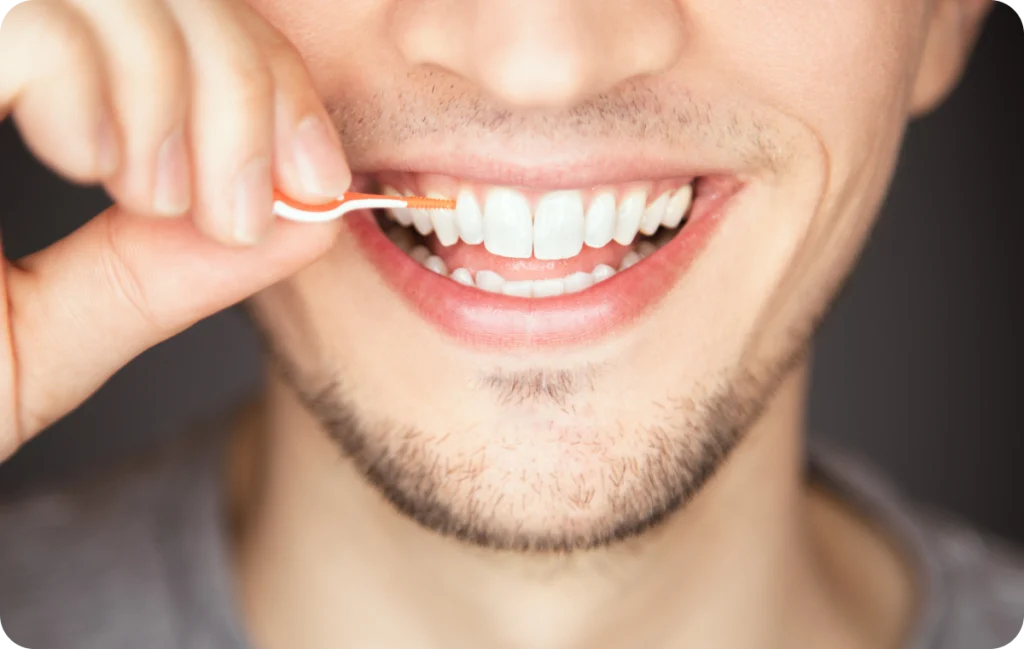
The choice of tools depends on the shape of the teeth and the interdental spaces. A dental professional can guide you toward the most suitable solutions for each situation.
Oral hygiene and diet
Diet plays an important role in maintaining oral balance. Foods high in sugar promote the growth of bacteria responsible for dental plaque. Careful oral hygiene should therefore be combined with a balanced diet and limiting snacking between meals.
Drinking water regularly helps remove food debris and promotes saliva production. Saliva plays a natural protective role by neutralizing acids in the mouth. Combining an appropriate diet with good oral hygiene helps protect teeth and gums over the long term.
Oral hygiene at every stage of life
In children
In children, learning the right habits as soon as the first teeth appear is essential. Parents play a key role in supporting brushing and establishing a regular routine. Early oral hygiene helps prevent cavities and encourages lasting habits.

In adulthood and in older age
In adulthood, maintaining regular oral hygiene helps preserve natural teeth and gums. Certain periods of life, such as stress or hormonal changes, can affect oral health and require particular attention.
In older people, reduced saliva production or the use of dental appliances can change oral hygiene needs. Increased vigilance and regular follow-up help maintain comfort and oral health.
The importance of regular follow-up
Even with rigorous oral hygiene at home, regular follow-up with a dental professional remains essential. Appointments make it possible to detect potential imbalances early and adapt hygiene advice to each situation.
Scaling removes tartar that cannot be eliminated by brushing. These appointments are also an opportunity to ask questions and receive personalized recommendations to improve your daily oral hygiene.
Frequently asked questions about oral hygiene
- How often should you brush your teeth?
It is recommended to brush your teeth at least twice a day to maintain satisfactory oral hygiene. - Is dental floss really useful?
Dental floss cleans the spaces between the teeth, where the toothbrush does not always reach. - Does diet affect dental health?
Yes, a balanced diet helps limit plaque formation and supports good oral hygiene. - Why consult a dental professional regularly?
Regular check-ups help monitor the condition of the mouth and adjust hygiene advice if necessary.
Book an appointment for personalized support
Adopting regular, appropriate oral hygiene is essential to preserving the long-term health of your mouth. To benefit from personalized advice and attentive follow-up, you can book an online appointment with the dental practice of Drs Payam and Pegah Gandjizadeh in Cagnes-sur-Mer, so that you can be supported in maintaining oral hygiene tailored to your situation.