

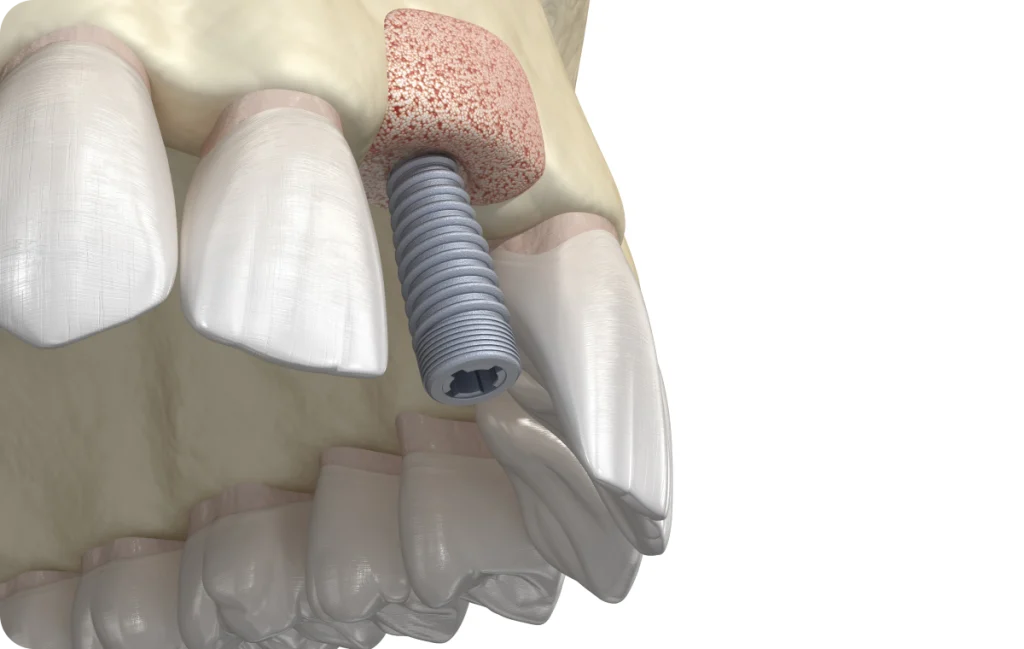
A bone graft is a surgical procedure used in dentistry to restore insufficient bone volume in the jaw. It involves adding bone material to an area where the bone has diminished over time. This procedure recreates a stable bone base, which is necessary for certain dental treatments.
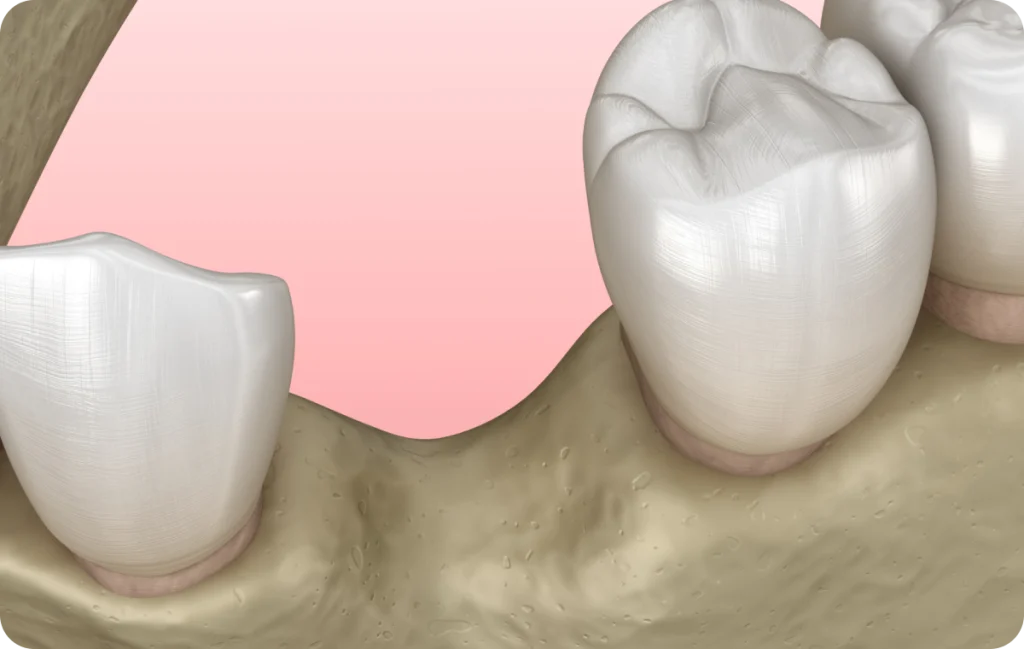
Over time, the jawbone can naturally resorb. This change often occurs after the loss of a tooth, but also as a result of old infections or gum disease.
The bone graft is then integrated into a comprehensive care plan to prepare the mouth under optimal conditions.
Why can the jawbone resorb?
Bone is a living tissue that requires stimulation to maintain itself. When a tooth is missing, this stimulation gradually disappears. The bone located beneath the missing tooth then loses height and thickness. This phenomenon is progressive and often painless, which explains why it sometimes goes unnoticed.
Other factors can accentuate this bone loss. Chronic infections, gum inflammation, or certain dental traumas can weaken the bone. Age, general health status, and certain lifestyle habits also influence the evolution of bone tissue.
In which situations is a bone graft indicated?
A preparatory step for certain treatments
A bone graft is generally considered when the existing bone volume is insufficient to ensure the stability of a planned dental treatment. It is frequently performed before the placement of dental implants, but it can also be proposed in other clinical contexts.
In some cases, the bone graft is performed after an extraction to limit bone resorption.
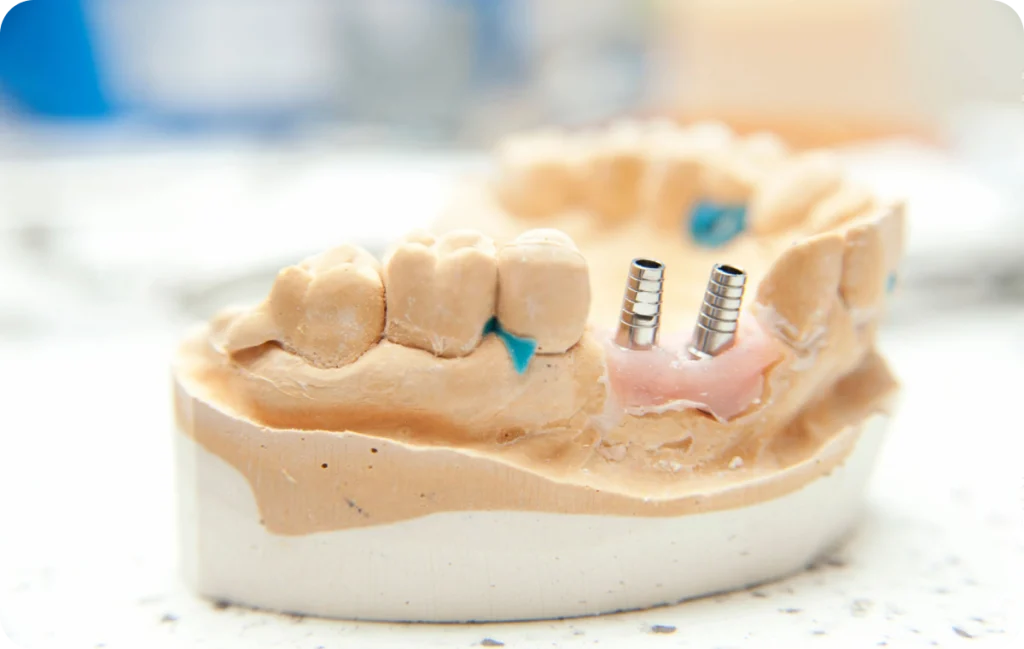
It then helps preserve the shape of the jaw and maintain a balanced oral environment.
A decision based on a precise assessment
Before proposing a bone graft, the practitioner performs a complete clinical examination. They rely on imaging tests to evaluate the quality and quantity of the existing bone. This analysis allows the treatment plan to be adapted to each situation, taking into account the specific needs of the patient.
The different types of bone grafts
There are several types of bone grafts, chosen based on the area to be treated and the required bone volume. The material used can come from different sources, all selected for their compatibility with the body.
The graft may use material of human, animal, or synthetic origin. In some cases, a small amount of bone can be harvested from the patient themselves. The choice of material depends on many clinical parameters, which are clearly explained during the consultation.
How is a bone graft performed?
The preparation phase
Before the procedure, a preparation period is essential. It includes a detailed discussion of medical history, a thorough oral examination, and radiological tests. This step allows for the anticipation of the bone graft procedure and ensures its safety.
The practitioner also provides preoperative instructions, particularly regarding oral hygiene. A healthy mouth promotes better healing conditions.
The surgical procedure
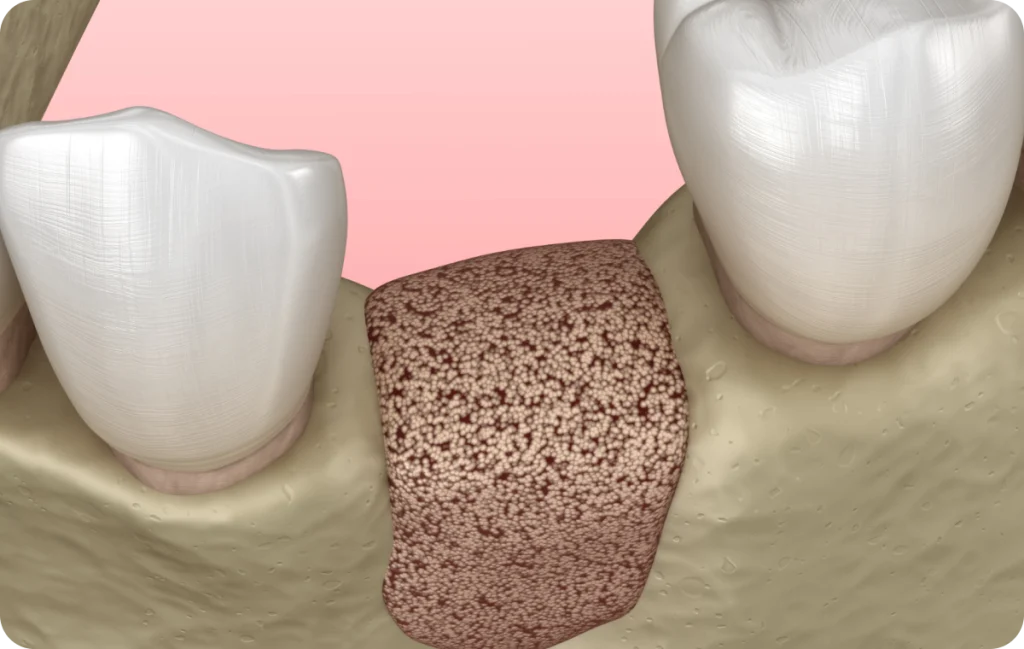
The bone graft is performed under local anesthesia. The practitioner accesses the affected area, prepares the recipient site, and precisely places the graft material. Depending on the situation, a protective membrane may be used to stabilize the graft and guide bone regeneration.
Once the material is positioned, the gum is carefully closed. The procedure takes place under controlled conditions, with the goal of patient comfort and safety.
Healing after a bone graft
After a bone graft, a healing period is necessary to allow the bone to rebuild itself. This phase can last several months, depending on the extent of the graft and the body’s regenerative capacity.
During this period, the graft material gradually integrates with the existing bone. Regular check-ups allow for monitoring the progress of healing and adapting the care plan if necessary. This step requires patience, as it determines the stability of future treatments.
Post-operative care and patient comfort
After the procedure, certain reactions may occur, such as slight swelling or temporary sensitivity. These manifestations are common and tend to decrease over time. The practitioner may prescribe an appropriate treatment to improve post-operative comfort.
It is recommended to carefully follow the instructions provided, particularly regarding diet and activities to avoid. Attentive support helps promote a gradual and peaceful recovery.
The importance of oral hygiene
Oral hygiene plays an essential role before and after a bone graft. Before the procedure, it helps limit the presence of bacteria and prepares the mouth under good conditions. After the graft, it contributes to protecting the treated area and supporting healing.
The practitioner may recommend specific brushing techniques or the temporary use of appropriate mouthwashes. These measures contribute to the stability of the treatment and the overall health of the mouth.
Factors influencing the outcome of a bone graft
Several elements can influence the result of a bone graft. General health status, the quality of the existing bone, and lifestyle habits play an important role. Smoking, for example, can slow down healing and compromise the integration of the graft.
Adherence to follow-up appointments is also crucial. These check-ups ensure that healing is progressing correctly and allow for prompt intervention if needed.
Bone grafting within a comprehensive care plan
A bone graft is never an isolated procedure. It is part of a comprehensive care plan, designed for the long term. It aims to create a stable bone environment, compatible with the planned treatments and the proper functioning of the mouth.
This global approach ensures consistency between the different stages of treatment while taking into account the specific needs of the patient. The objective remains the stability and balance of oral health.
FAQ – Bone Graft
- Is a bone graft always necessary?
No, it depends on the volume and quality of the existing bone. A precise evaluation determines its necessity. - Is the procedure painful?
The bone graft is performed under local anesthesia. The after-effects are generally moderate and well-managed. - How long does healing take?
Healing can take several months, depending on the situation and the patient’s biological response. - Can I return to a normal diet quickly?
An adapted diet is recommended for the first few days, before a gradual return to a regular diet. - Is a bone graft durable?
When follow-up and recommendations are respected, a bone graft provides a stable base over time.
Schedule an appointment to evaluate the need for a bone graft
If you would like to know if a bone graft is indicated in your situation, a personalized assessment will provide tailored answers. The dental practice of Doctors Payam and Pegah Gandjizadeh in Cagnes-sur-Mer supports you in your care journey with attentive evaluation and rigorous follow-up. You can now book an appointment online to discuss your situation and consider the different stages of your care.